Pain Recovery Program
Diagnose Precisely. Recover Fully. Move Freely.
The Pain Recovery Program at Intact Vitality is designed to identify and treat the root cause of pain—not just the symptoms. Combining expert physiotherapy, comprehensive clinical assessment, Hyperbaric Oxygen Therapy (HBOT), Red Light Therapy, and advanced recovery technologies, we create personalised treatment plans for lasting relief.
Whether you’re experiencing back pain, neck pain, joint pain, sports injuries, post-surgical pain, or persistent musculoskeletal conditions, our multidisciplinary approach helps restore mobility, reduce pain, and improve your quality of life for patients across Gurgaon and Delhi NCR.
What Is the Pain Recovery Program?
Pain is a signal, not just a symptom to mask. Every plan works toward the same outcomes:
Reduced Back , Neck & Joint Pain
Improved Joint Mobility, Flexibility & Function
Faster Post Injury or Surgery Recovery
Reduced Dependence on Pain Medication
Better Posture and Movement Patterns
Long Term Pain Prevention & Injury Resilience
Non Surgical Recovery Options
Restored Confidence & Daily Function
Improved Strength and Physical Resilience
Diagnosis Before Treatment
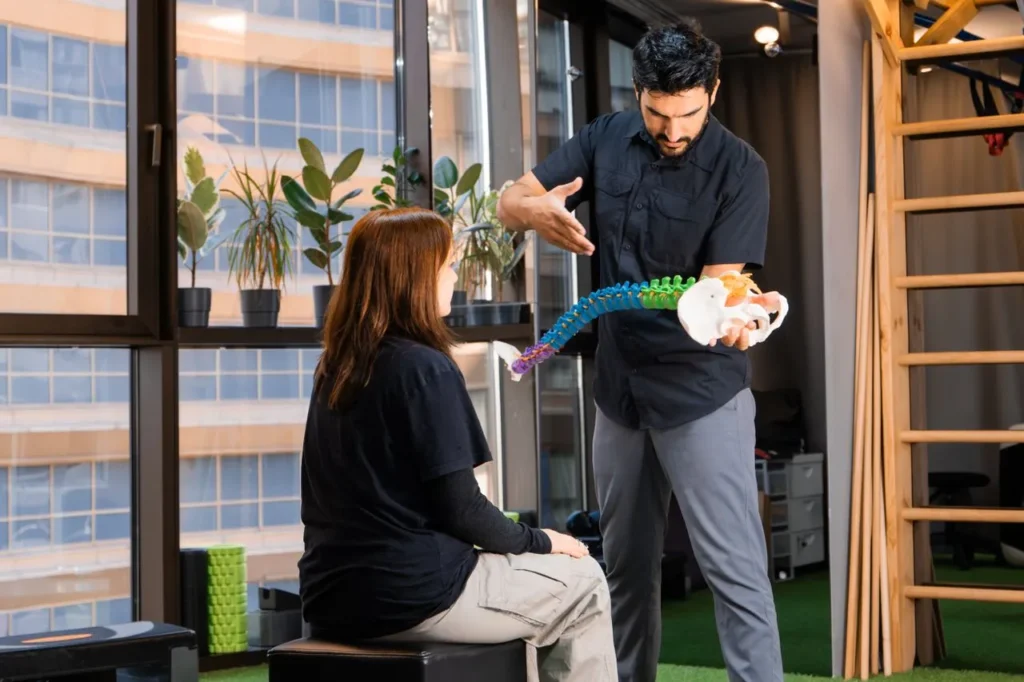
It is easy to treat pain in isolation. It is harder, and more useful, to work out why it is actually there, whether that is posture, movement patterns, or something that has been building for years. Our advanced pain therapy in Gurgaon starts there. This program pairs well with our Home Wellness Program if you would rather do the physiotherapy at home.
The Intact Recovery Method
Diagnose → Analyze → Treat → Monitor → Prevent
Why Pain Keeps Returning Without a Proper Diagnosis
Most people who arrive at this program have already tried something for their pain. They have taken painkillers, seen a general physiotherapist, or rested and waited. The pain improved and then came back. Understanding why this cycle happens is the most useful thing to know before starting a recovery program.

Symptom relief and root cause treatment are not the same thing.
Painkillers reduce the experience of pain without changing anything about its cause. General physiotherapy that focuses on the site of pain, rather than the pattern driving it, often produces the same outcome. The pain settles during treatment and returns when treatment stops because the underlying driver was never identified or addressed.
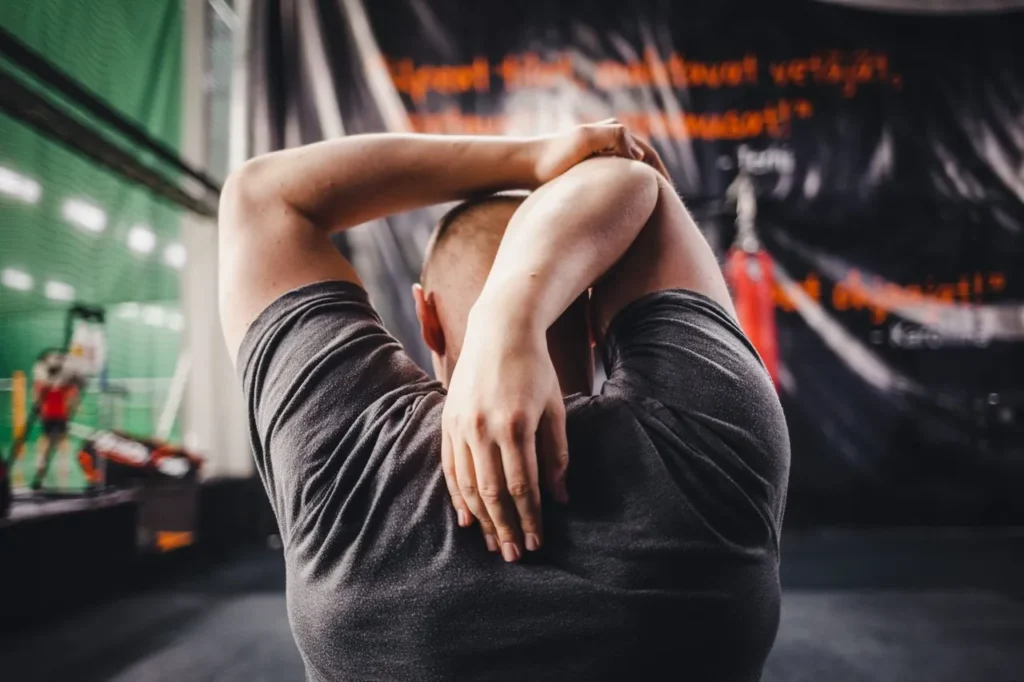
Pain often originates away from where it is felt.
Lower back pain is frequently driven by hip mobility limitations, hamstring tightness, or weak deep stabilising muscles rather than a problem in the back itself. Treating the back in isolation provides temporary relief, but the mechanical pattern that caused the pain continues to load the same structures. A diagnostic assessment maps the full movement pattern, not just the site of symptoms.
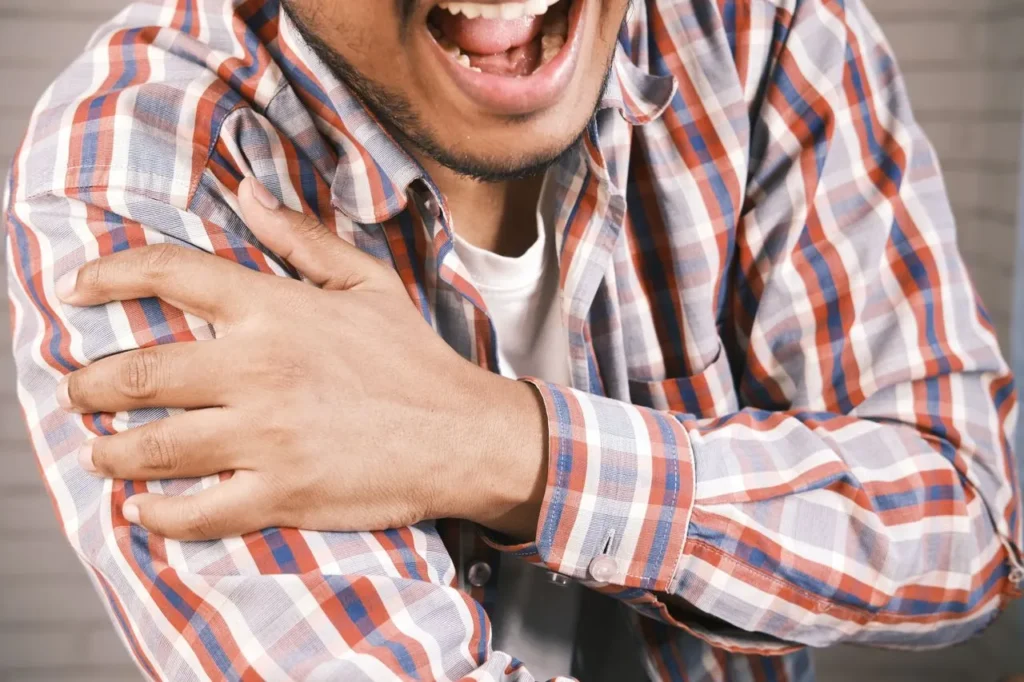
The brain learns pain patterns over time.
Chronic pain involves changes in how the nervous system processes pain signals, not just the original injury or strain. Once pain has been present for months, the body develops compensatory movement patterns to protect the area, which creates secondary problems in other joints and muscles. Breaking this cycle requires addressing movement patterns and central sensitisation, not just local tissue treatment.
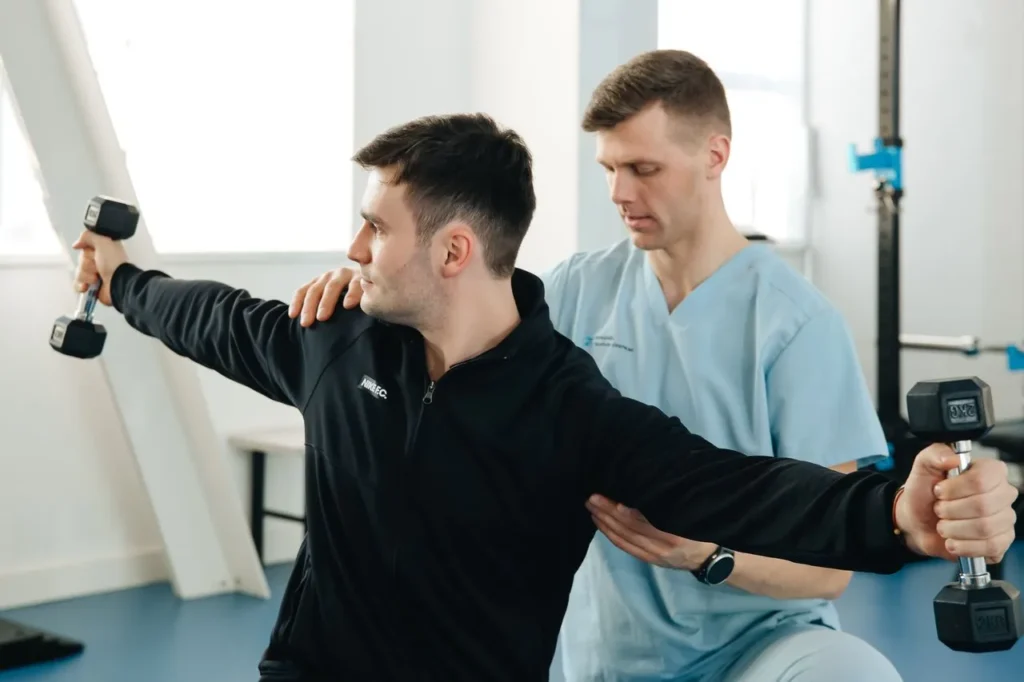
Rest removes the trigger but does not build the capacity to handle it.
Resting from an activity that causes pain reduces load and allows inflammation to settle. It does not strengthen the structures that were insufficient to handle the load in the first place. Returning to the same activity without building capacity produces the same result. A rehabilitation program builds the capacity progressively so the return to activity is sustainable.

Recurrence is a signal, not bad luck.
If the same pain returns to the same location more than once, it is telling you something specific about a pattern that has not been resolved. Treating each episode as an isolated event rather than evidence of an unresolved pattern is why recurrence is so common. The diagnostic assessment in this program treats recurring pain as the most informative data point, not an unfortunate coincidence.
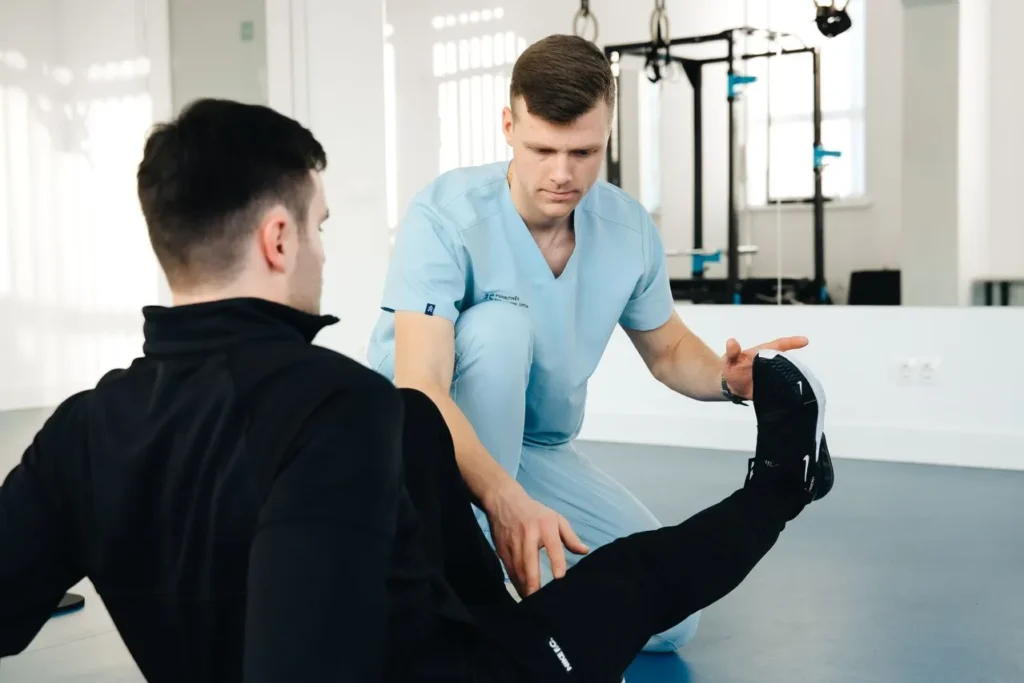
Recovery Requires More Than Treating the Pain.
Pain may improve before the body has fully regained strength, mobility, coordination, and tolerance to normal activity. Returning to work, exercise, or sport too quickly can overload the same structures again. A complete recovery plan rebuilds these capacities progressively so improvements are more likely to last.
Advanced Recovery Technologies
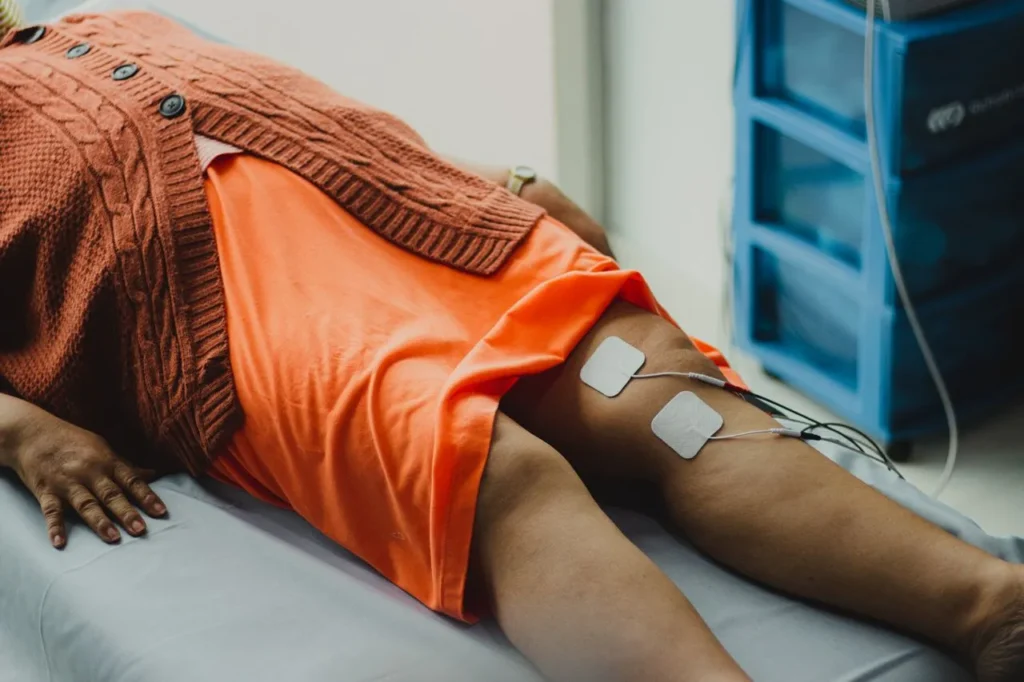
PEMF Therapy
Complements musculoskeletal pain recovery.
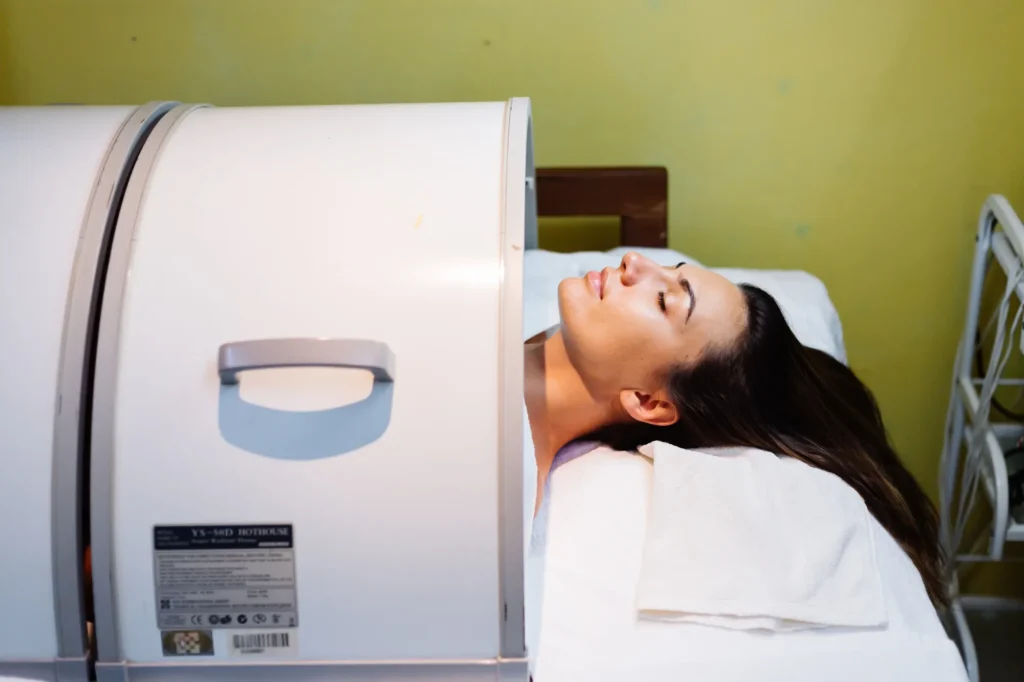
Far Infrared Therapy
Promotes relaxation and circulation around the affected area.
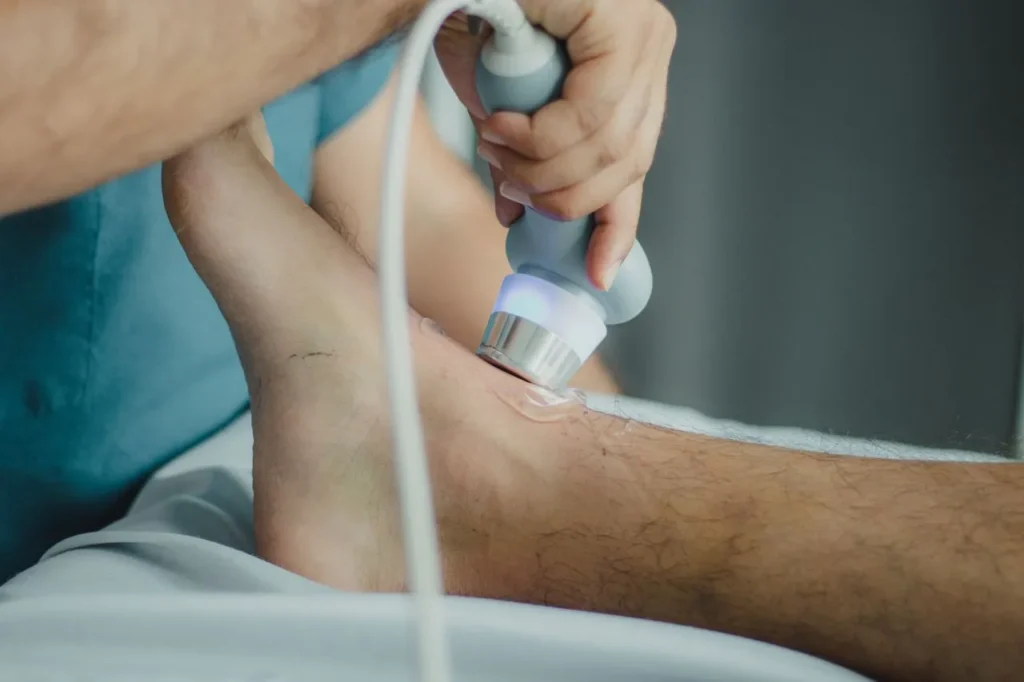
Shockwave Therapy
Used for certain chronic and soft tissue conditions, where clinically appropriate.
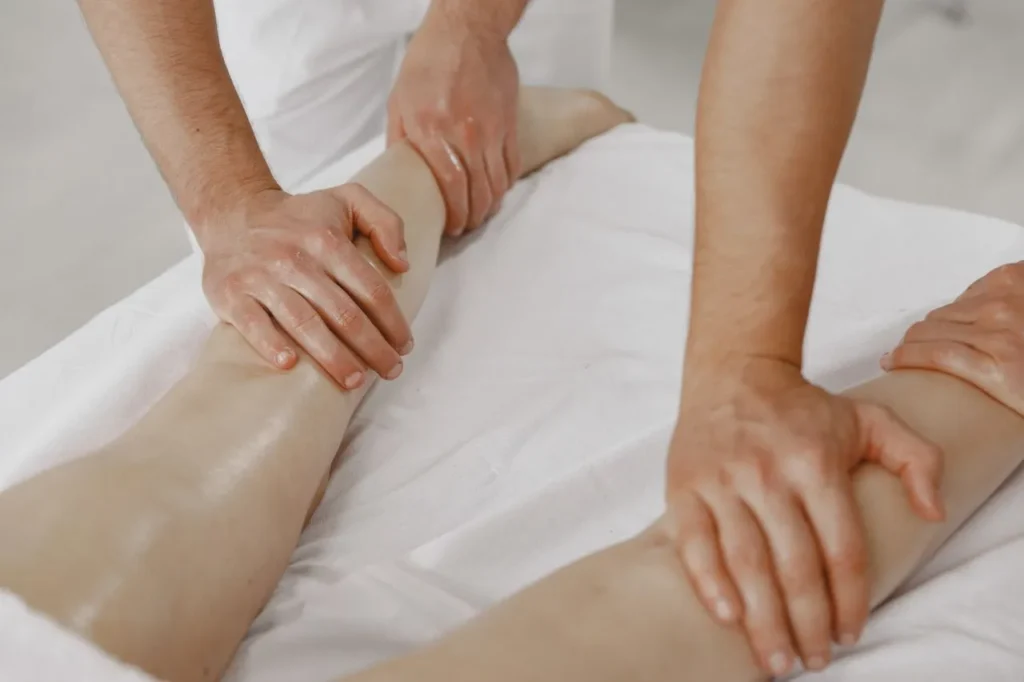
Compression Therapy
Supports circulation and recovery.
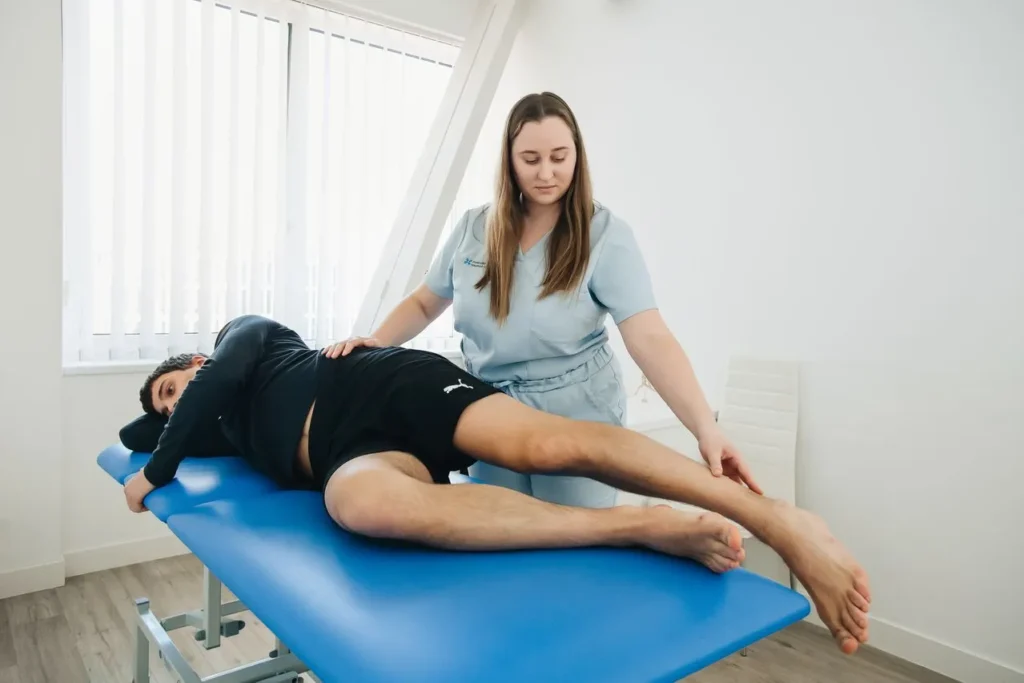
Manual Physiotherapy
Hands on treatment to restore movement and reduce pain.
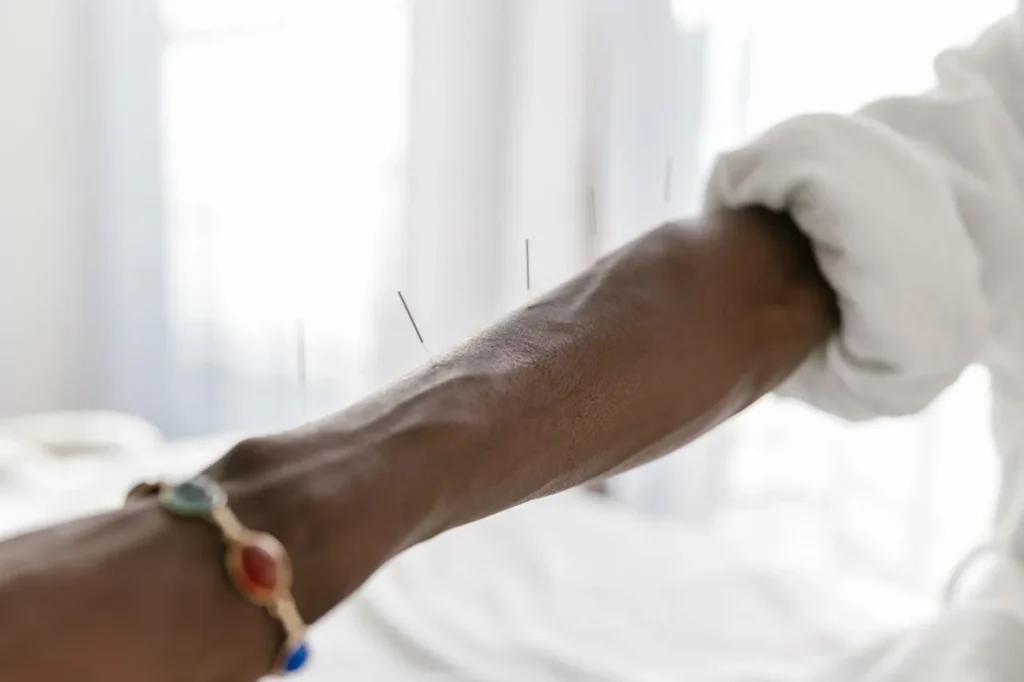
Dry Needling
Used as part of a broader treatment plan, where clinically appropriate.
Pain Recovery Program vs Painkillers Alone
What You’re Comparing | Painkillers Alone | Pain Recovery Program |
What it addresses | Masks the symptom | Diagnoses and treats the underlying cause |
Duration of relief | Temporary | Built for lasting improvement |
Root cause | Not identified | Identified through proper assessment |
Long term risk | Dependence, pain keeps returning | Prevention strategies built into the plan |
What to Expect
Week 1:
Diagnostic Pain Assessment to understand what is actually causing your pain.
Weeks 2 to 4:
Treatment begins, combining physiotherapy with advanced pain therapy.
Months 2:
Progress review, with your plan adjusted based on results.
Ongoing:
A long term prevention plan to reduce the chances of the same pain returning.
Pain Assessment and Progress Tracking
Relief starts with getting the diagnosis right. That means checking:
Movement and Posture Assessment
Functional Movement Screening
Pain Pattern Analysis
Mobility Testing
Strength Testing
Lifestyle Evaluation
Understanding the Types of Pain This Program Addresses
Not all pain is the same, and not all pain responds to the same approach. Here is a plain-language breakdown of the main categories treated through this program, and what makes each one distinctive.

Lower Back Pain
The most common presenting complaint. In the majority of cases it is mechanical, driven by posture, muscle imbalance, or movement patterns, rather than structural. MRI scans frequently show disc changes in people with no pain, and no changes in people with significant pain. This is why assessment of how you move matters more than imaging alone.

Neck and Shoulder Pain
Increasingly common in desk-based workers, and frequently connected to the same postural patterns that drive lower back pain. The cervical spine, upper trapezius, and surrounding musculature respond well to manual physiotherapy, dry needling, and targeted strengthening when the pattern is correctly identified.

Joint Pain and Osteoarthritis
Joint pain from arthritis is not a reason to stop moving. It is usually a reason to move differently. Appropriate loading of arthritic joints through guided exercise has well-documented benefits for pain reduction and function. This program addresses joint pain through movement, not just rest.
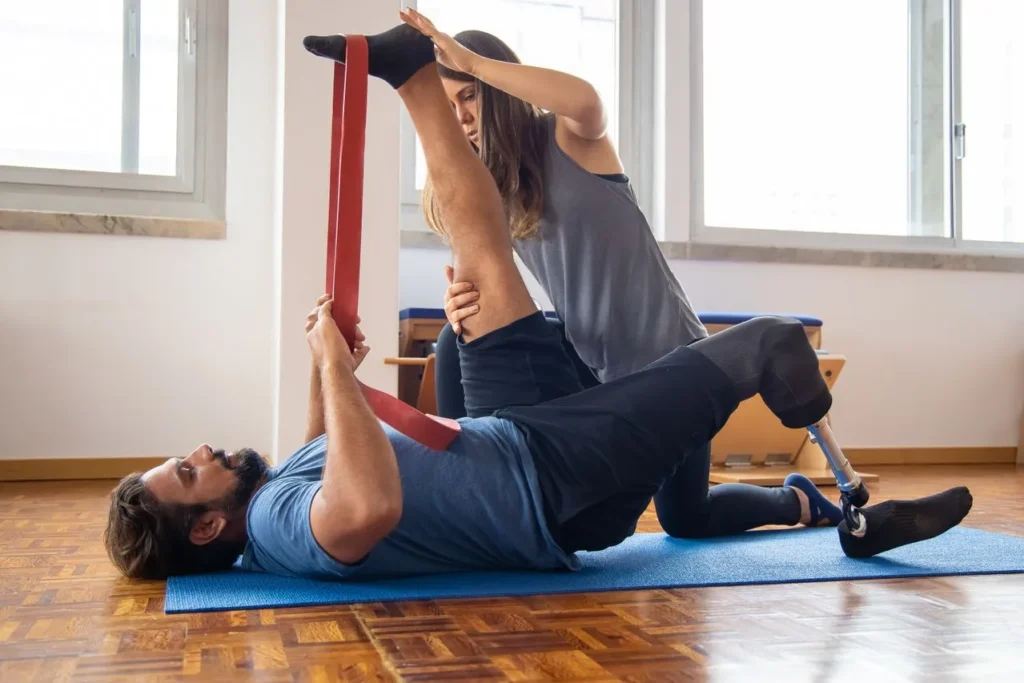
Post-Surgical Rehabilitation
Recovery after joint replacement, spinal surgery, or soft tissue repair requires a structured rehabilitation plan that progresses appropriately through healing phases. Getting this right in the early stages significantly affects long-term outcomes. The program provides structured post-surgical physiotherapy at home or in clinic.

Sports and Overuse Injuries
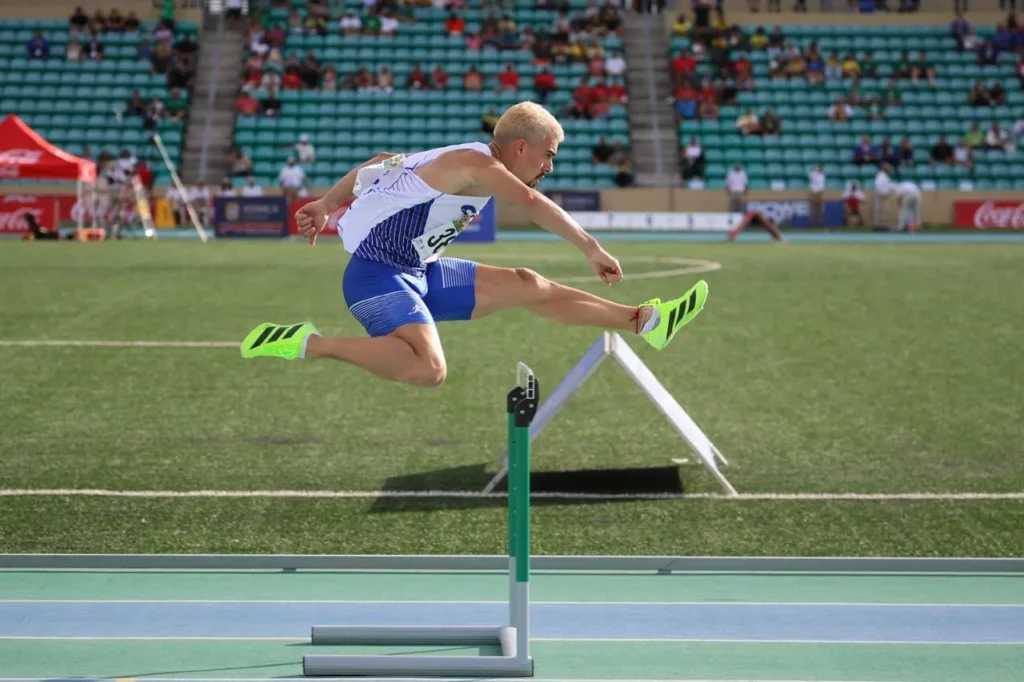
Tendinopathies, muscle strains, and repetitive stress injuries require load management and progressive rehabilitation rather than rest alone. Shockwave therapy and targeted physiotherapy are used where clinically appropriate as part of a return-to-sport or return-to-activity plan.
Referred Pain
Pain that presents in one location but originates in another (sciatica being the most familiar example) is commonly misunderstood and mistreated. Identifying referred pain patterns accurately is a core part of the diagnostic assessment and significantly changes the treatment approach.
Who Is This Program For?
Anyone Dealing With Persistent Back or Neck Pain
People Managing Joint Pain, Arthritis, or Stiffness
Patients Recovering From Surgery or an Injury
Desk Workers With Sitting Related Pain
Athletes Managing Overuse Injuries
Anyone Who Would Rather Try Non Surgical Options First

Areas We Serve Across Delhi NCR
As a pain rehabilitation centre in Gurgaon, we work with clients across:
- Gurugram and Sohna Road
- DLF Phases and Golf Course Road
- South Delhi and New Delhi
- The wider Delhi NCR region
Signs You Need a Real Diagnosis, Not Just Relief
Pain relief works for a few days, then the same pain comes back
General physiotherapy has not given you lasting results
Sitting or standing for long periods leaves you sore
You are avoiding activities you used to enjoy because of the pain
Frequently Asked Questions

What types of pain do you treat?
Back pain, neck pain, joint pain, arthritis related discomfort, post surgical pain, and pain from sports injuries or repetitive strain.
Will I need surgery?
Not necessarily. Our approach focuses on non surgical, physiotherapy led treatment first, with surgery considered only if it becomes genuinely necessary.
How many sessions will I need?
That depends on the nature and duration of your pain, and gets discussed clearly after your initial assessment.
Do you treat sports injuries as well as chronic pain?
Yes, the program covers both sudden sports injuries and long standing chronic conditions.
How soon can I expect to feel better?
Many clients notice improvement within the first few sessions, though full recovery timelines vary depending on the condition and how long it has been present.
Is this program suitable for older adults with joint pain?
Yes, the program is commonly used by older adults managing joint pain, arthritis, and general mobility concerns.
Book Your Pain Recovery Program Today
If pain has been limiting your daily life for too long, book a Diagnostic Pain Assessment with Intact Vitality in Gurgaon.